

Lithium or Lead-acid Battery for E-bikes — Which Is Better?
The most commonly used batteries for e-bikes are lithium batteries and lead-acid batteries. With the continuous development, upgrading and widespread application of lithium battery technology, lithium batteries have gained a certain influence in the e-bike industry. However, due to some of their own performance, cost-effectiveness and shortcomings, there is still a long way to go before lithium batteries can completely replace the dominant position of traditional lead-acid batteries. 'The revolution is not yet successful; comrade lithium battery still needs to work hard!'
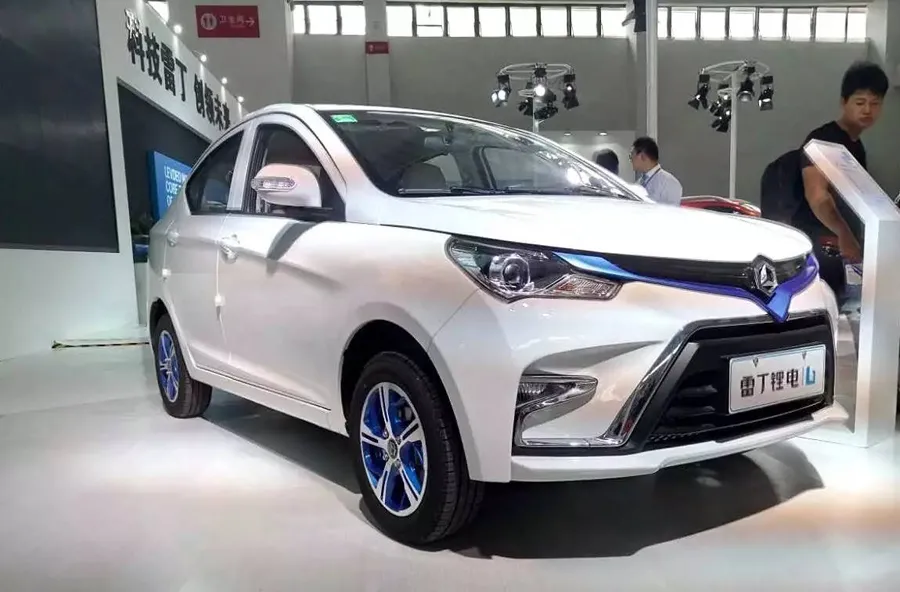
That said, what are the differences between the two? Let's explore them together with Xinde Laser.
1. Environmental Protection Comparison
Lithium batteries are pollution-free, adapting to the development of current national environmental protection policies, while lead-acid batteries cause pollution from the heavy metal lead.
2. Safety Comparison
The main materials of lithium batteries are lithium manganate and lithium iron phosphate. Different materials lead to different safety levels. In contrast, lead-acid battery technology has gone through 150 years of development, and its safety is much higher than that of lithium batteries.
3. Service Life Comparison
Lithium batteries currently support about 1,500 charge cycles with no memory effect, retaining about 85% capacity after 1,500 cycles; whereas lead-acid batteries show a significant capacity drop after about 500 cycles and have an obvious memory effect. Therefore, lithium batteries have a longer service life.
4. Energy Comparison
The mass ratio, volume ratio and energy ratio of lithium batteries are overall about 40% higher than those of lead-acid batteries.
5. Price Comparison
At the same capacity, the price of a lithium battery is more than double that of a lead-acid battery.
6. Durability
Lithium batteries are more durable and have better vibration resistance. When fully charged, they are safely fixed and consume slowly, with a typical lifespan of 4-5 years; whereas lead-acid batteries typically last about 2 years. Note: if you use a maintenance-free lead-acid battery, note that its water loss is minimal and generally requires no distilled water addition during use.
In summary, vehicles using lithium batteries outperform those using lead-acid batteries in terms of range, battery life, environmental friendliness, vehicle handling and charging convenience.